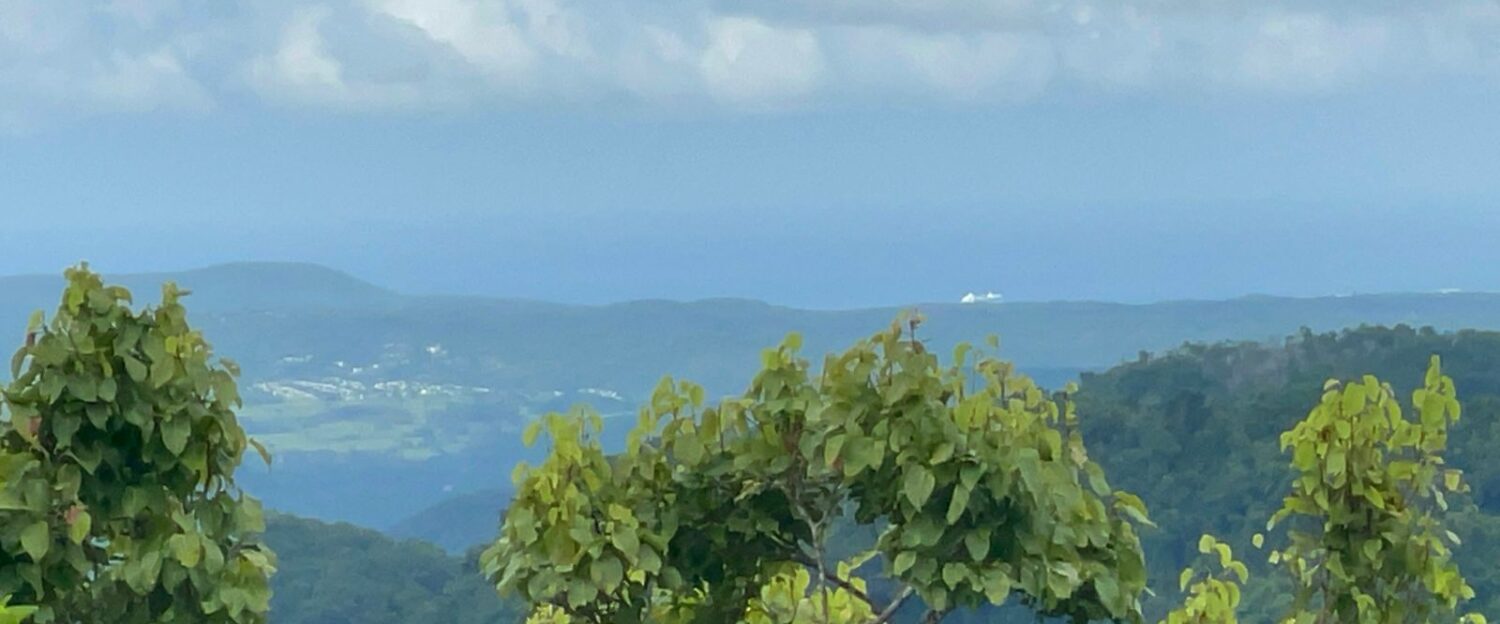
Trelawny Town Maroons – Flagstaff, Jamaica
The Trelawny Town Maroons were one of the most prominent communities of escaped enslaved Africans in Jamaica. Their roots lay in the 17th and early 18th centuries, when Africans who fled plantations or were left behind after the Spanish withdrawal in 1655 established independent settlements in Jamaica’s rugged interior. Known as Maroons, these communities relied on guerrilla warfare, intimate knowledge of the terrain, and African traditions to resist British colonial authority. By the early 18th century, Trelawny Town, located in the mountainous parish of St. James, emerged as a powerful Maroon stronghold.
In the 1730s, tensions escalated into the First Maroon War between the British and the Maroons of Trelawny Town and other settlements. After years of stalemate, the British signed a peace treaty with the Maroons in 1739. The treaty granted them autonomy, land, and recognition of their freedom in exchange for peace and a promise to help capture future runaway enslaved people. Trelawny Town became the largest and most influential Maroon settlement under the leadership of legendary figures such as Cudjoe. For decades, they maintained a guarded coexistence with the British, defending their independence while being drawn into the colonial system.
However, this uneasy peace broke down during the Second Maroon War (1795–1796). Sparked by disputes over treaty rights and British attempts to assert greater control, the conflict pitted Trelawny Town against colonial forces once again. Despite their fierce resistance, the Maroons were ultimately outnumbered and forced to surrender. In the aftermath, the British deported nearly 600 Trelawny Maroons to Nova Scotia, and later to Sierra Leone in West Africa, severing their community from Jamaica. Though some descendants eventually returned, the exile of Trelawny Town remains one of the most dramatic episodes in the history of the Jamaican Maroons.